

In the Northern regions, experts are observing an increasing number of Indigenous women engaging in field research, which is motivating a new wave of female academics.
“Over the past two to three years, there has been a remarkable rise in female Indigenous students enrolling in master’s and PhD programs,” stated Nicole Redvers, an associate professor at Western University and a member of the Deninu Kue First Nation in the Northwest Territories. “Witnessing this growth has been truly inspiring.”
As per Statistics Canada, from 2016 to 2021, there was a noticeable rise in Indigenous women pursuing post-secondary education in Canada, as well as an increase in the percentage of Indigenous women holding a bachelor’s degree or higher. However, specific statistics regarding Indigenous women engaged in field research in the North are not readily accessible.
Redvers advocates for a centralized university in the North to facilitate better tracking of this data across all territories.
She attributes the trends she is observing to several factors: a growing geopolitical focus on the Arctic, new funding opportunities, and notably, the heightened visibility of female Indigenous researchers, which she described as “a significant challenge in the past.”
“If you don’t see individuals like yourself represented in fields such as research, it becomes exceedingly challenging to envision pursuing that path,” she remarked.
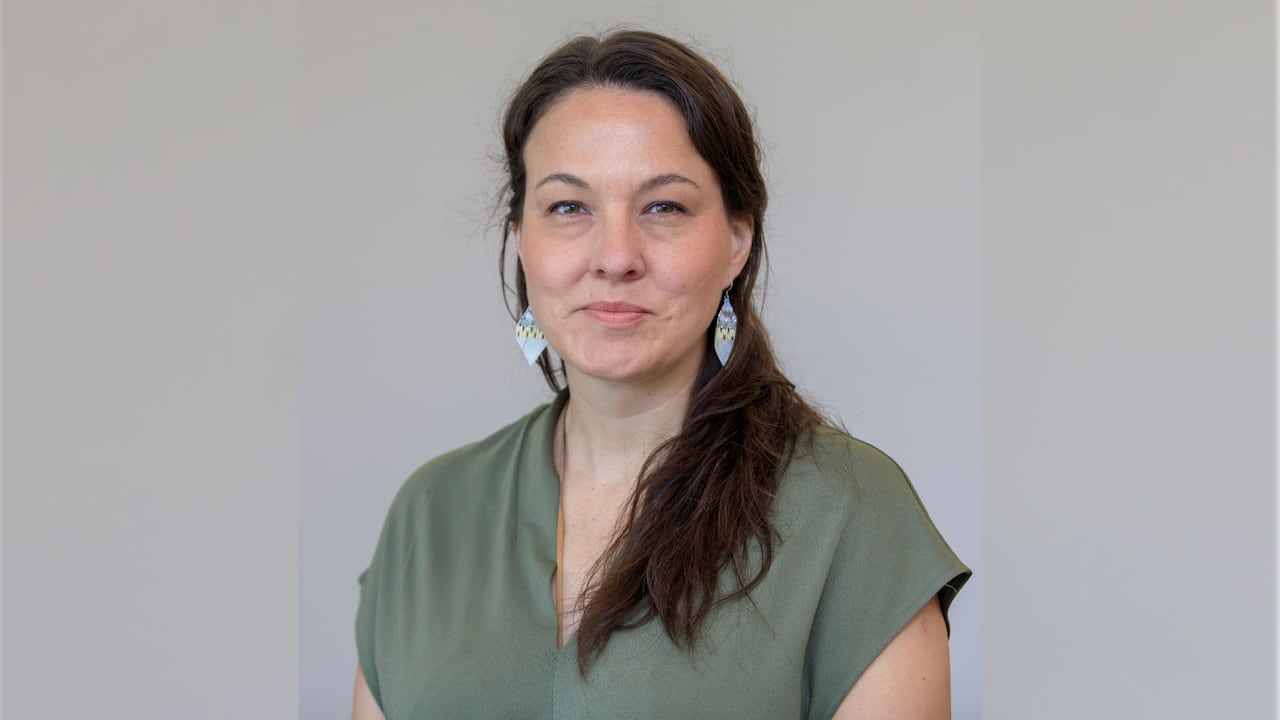
Nicole Redvers, an associate professor at Western University and member of the Deninu Kue First Nation in the N.W.T., emphasizes that the true impetus for change lies in Indigenous communities advocating for innovative research methods. (Submitted by Nicole Redvers)
Disparities in education and funding are central to many of the Truth and Reconciliation Commission’s (TRC) 94 Calls to Action. While these calls have prompted some academic institutions to confront systemic obstacles that have historically impacted Indigenous students and researchers, Redvers asserts that the genuine catalyst for progress is not merely institutional goodwill, but Indigenous individuals persistently advocating for change.
Reconciliation through academia
Ashley Ens, a PhD candidate and member of the Nihtat Gwich’in in the Northwest Territories, noted that Indigenous women have always been custodians of knowledge.
“What’s evolving is an increasing number of women asserting the validity of Indigenous methodologies, community knowledge, oral traditions, and their responsibilities towards the community,” she stated.
Ens explained that female Indigenous researchers are transforming the dynamics of academic environments by fostering supportive spaces where women can pursue their degrees while maintaining their familial and community obligations.
She shared her personal experience of navigating her PhD journey while raising a young child.
“I would frequently bring her along and be in these environments with her. It was incredibly welcoming,” she reflected.
Nevertheless, Ens asserts that institutions need to take further steps to foster change, such as providing more sustainable funding for community-driven initiatives and better support for northern students traveling to southern universities.
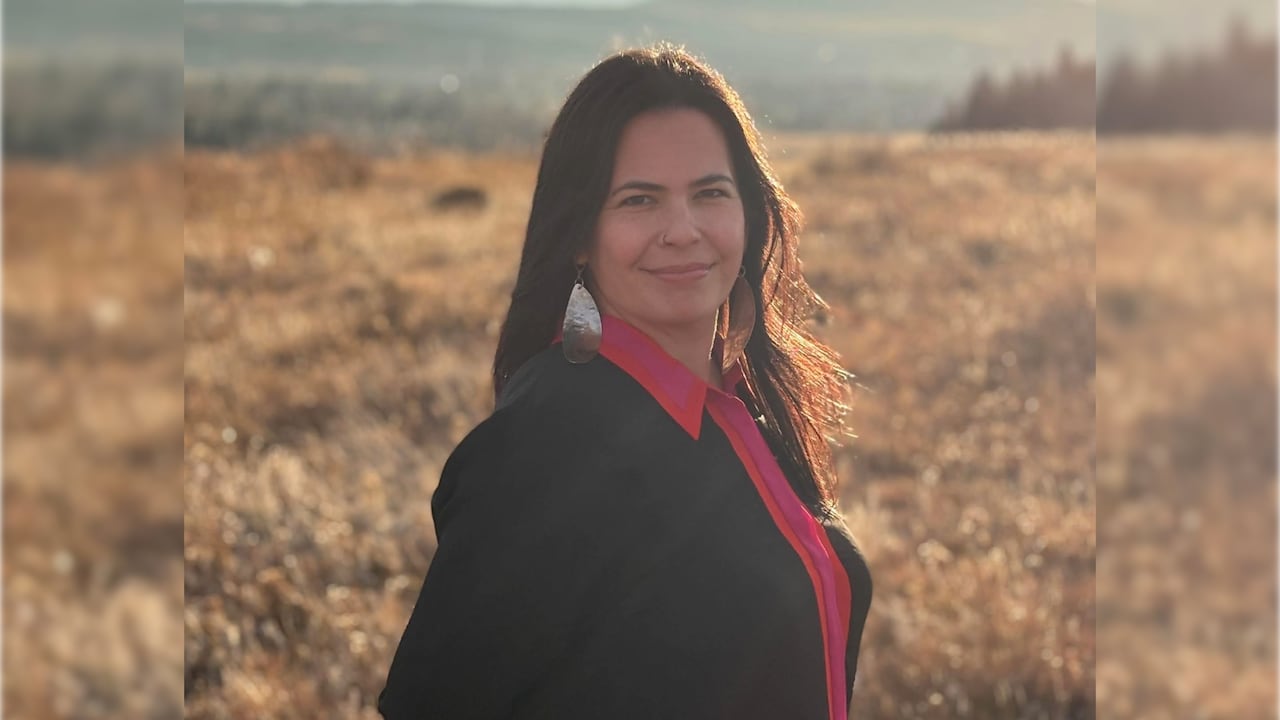
Ashley Ens, a PhD student and member of the Nihtat Gwich’in in the N.W.T., states that female Indigenous researchers are influencing the structure of academic environments. (submitted by Ashley Ens)
“When we discuss reconciliation in the context of research, it’s not about merely studying Indigenous Peoples or incorporating Indigenous perspectives into existing projects,” Ens emphasized.
“It necessitates a shift in who poses the questions, who manages the information, who has access to the resources, and who reaps the benefits from the outcomes.”
How Indigenous women are transforming research
By grounding their research in traditional knowledge and involving community members, northern researchers are establishing trust within their communities, according to Redvers.
“Indigenous communities have grown quite weary of the conventional research model,” she noted. “This model often involves researchers coming and going without meaningful engagement.”
Laurie-Ann Lines, a senior researcher affiliated with the Yellowknife-based Institute for Circumpolar Health Research, expressed her astonishment at the “surge” of Indigenous female graduate and post-doctorate students.
“This progress is largely due to the elders and community members who have collaborated in research and have advocated for Indigenous research methodologies,” she remarked.
Lines, who belongs to the Yellowknives Dene First Nation, recalled that when she began her academic career in 2015, there were limited Indigenous mentors in academia who comprehended both community-level research and Western academic frameworks.
Currently, Lines leads the Northwest Territories Network Environments for Indigenous Health Research, a project that unites elders, researchers, community members, and learners across the Northwest Territories. She believes this growth is indicative of the evolving nature of research in the North.
“Research will no longer solely focus on us,” she said. “It will be conducted with us, by us, and for us.”