

When you place an order for a pumpkin spice latte or a caramel macchiato at Starbucks, you likely have a good sense of the sugar content you’re getting.
However, what can you anticipate when you request a drink marketed as “sugar-free?”
This question forms the basis of a proposed class-action lawsuit in the U.S., which alleges that the coffee giant misleadingly advertised eight protein drinks as “sugar-free,” despite containing between 13 and 21 grams of sugar per venti serving due to the natural sugars found in milk.
The lawsuit, submitted on Friday in a federal court in Seattle and reviewed by CBC News, accuses Starbucks of attempting to profit from “the protein craze” and the nutritional preferences of its customers.
“By labeling its drinks as ‘Sugar-Free,’ Starbucks is making a precise, measurable, and verifiable assertion regarding these beverages. Consumers depend on such statements when making purchasing decisions,” states the lawsuit.
“The 21 grams of sugar found in a venti Sugar-Free Caramel Protein Matcha is approximately equivalent to five teaspoons of sugar. This is nearly as much sugar as a standard Kit Kat bar contains.”
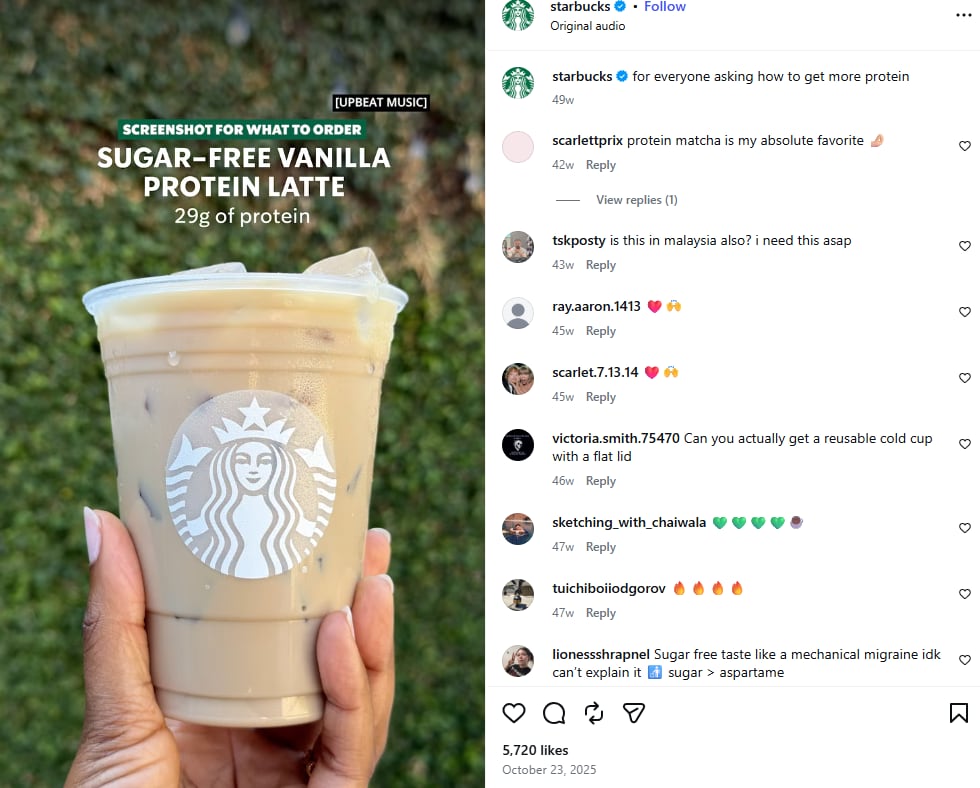
A screenshot of an Instagram post by Starbucks from October 23, 2025, promoting some protein drinks as sugar-free. (@Starbucks/Instagram)
A representative for Starbucks informed CBC News on Wednesday that they believe the claims made in the lawsuit are “without merit.”
“Starbucks has consistently and transparently communicated information regarding its protein beverages, sugar-free options, customization possibilities, and nutritional details … and we plan to defend ourselves vigorously,” the representative stated.
So, are these drinks truly sugar-free? Is the labeling deceptive? And does this issue extend to Canada as well?
Let’s delve deeper into the lawsuit and what we know so far.
Which drinks are being referred to?
The lawsuit identifies eight protein drinks that Starbucks classifies as sugar-free:
- Sugar-free vanilla protein latte.
- Sugar-free caramel protein latte.
- Sugar-free vanilla protein matcha.
- Sugar-free caramel protein matcha.
- Iced sugar-free vanilla protein latte.
- Iced sugar-free caramel protein latte.
- Iced sugar-free vanilla protein matcha.
- Iced sugar-free caramel protein matcha.
All of these items are available on both the U.S. and Starbucks Canada websites under the “protein beverages” category. While these eight drinks are listed under a section for “no added sugar options,” they are currently labeled as “sugar-free.”
Starbucks introduced these beverages in September 2025, citing data indicating that “71 per cent of Canadian consumers want to increase their protein intake.” In a news announcement at that time, Starbucks emphasized that its new protein drinks would be “available unsweetened or sugar-free and designed to help customers wanting to add protein to their order.”
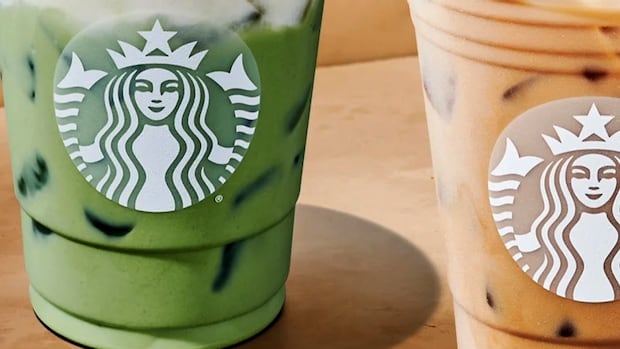
Starbucks will soon follow Tim Hortons as the latest coffee chain to offer additional protein in its caffeinated drinks, a move experts say is likely to benefit profit margins more than customers’ health.
Are these drinks truly sugar-free?
No, each of these beverages contains sugar, with amounts ranging from 13 to 21 grams per venti serving. At the higher end, this is comparable to the sugar content of a KitKat or Coffee Crisp bar, according to Health Canada.
When exploring the individual drinks on the company’s website, Starbucks provides nutritional details for each “sugar-free” protein drink, including the sugar content categorized by size. For example, a venti iced sugar-free vanilla protein latte is noted to contain 13 grams of sugar, while a venti sugar-free caramel protein matcha has 21 grams of sugar.
As highlighted in the lawsuit, “the sugar-free products all contain milk, which has lactose, a naturally occurring sugar.”
-
Whey up: Protein powder prices soar as global demand grows
-
Is it unprofessional to bring iced coffee to a job interview? Gen Z is being dragged for it
If it’s natural sugar, what’s the concern?
The lawsuit contends that the issue lies not with the source of the sugar, but with the “sugar-free” labeling.
“Despite being aware that Sugar-Free products contain milk, which has lactose, a recognized sugar, and despite categorizing this lactose as sugar, Starbucks still labels these drinks as ‘Sugar-Free,'” the lawsuit asserts.
“Starbucks labels these beverages ‘Sugar-Free’ because it understands that consumers depend on such claims when making purchasing decisions.”
What do consumer protection laws state?
U.S. federal regulations prohibit Starbucks from using the term “sugar-free” for drinks that contain more than 0.5 grams of sugar per 12-ounce serving, as mentioned in the complaint. This applies even if the sugar originates from milk.
Similarly, in Canada, for a product to be labeled as sugar-free, it must contain less than 0.5 grams of sugars per reference amount and serving size, according to the Food and Drug Regulations.
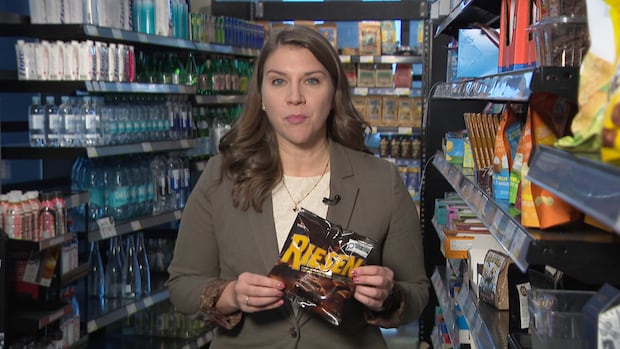
New nutrition symbols are now mandatory for many packaged goods in Canada. They indicate if the product is high in saturated fat, sugars or sodium. But some experts worry they’re not obvious enough to make a difference.
In both the U.S. and Canada, there is a distinction between labeling something as “sugar-free,” as Starbucks has done with its protein drinks, versus stating it has “no added sugars,” which is also how Starbucks describes the beverages in their nutritional information, using sugar-free syrups.
Lactose is categorized as a sugar in both Canada and the United States.
Food manufacturers often face lawsuits over alleged false advertising, including numerous recent cases challenging “sugar-free” or “zero sugar” claims for products that contain an alternative sugar known as allulose.
What are the next steps?
The complaint seeks unspecified damages for false advertising and breaches of various state consumer protection statutes. It also aims to have the lawsuit recognized as a class action and requests a jury trial “on all triable issues.”
This lawsuit was initiated on behalf of three individual consumers who purchased Starbucks’s sugar-free protein drinks in California, New York, and Washington.
Consumers often avoid sugar for a variety of reasons, including health concerns such as diabetes, according to Steve Berman, a co-founder and managing partner of the Seattle-based firm that filed the lawsuit, in a news release.
“For many, a blatant mislabeling like this is significant,” Berman remarked.
“Drinking beverages with this level of sugar is akin to consuming a candy bar.”