

Numerous families in the Annapolis Valley of Nova Scotia are facing uncertainty as it has come to light that the remains they believed to have buried may not belong to their deceased loved ones. Despite this unsettling revelation, an expert in DNA testing suggests that identifying the actual remains using this technology remains a challenging task.
Following the disclosure by the new owners of the former Serenity Funeral Home, several families were notified that the ashes of their deceased family members were discovered in storage.
One of the affected individuals, Michelle Carey, enlisted the services of Serenity Funeral Home after the passing of her father, Hendrik (Hank) Sabean, in 2018. Sabean had left specific instructions regarding his funeral arrangements, entrusting the funeral home with these arrangements.
Now faced with the prospect of repeating the burial process and uncertain about the identity of the remains previously interred, Carey expresses skepticism about the likelihood of ever confirming the true identity of the remains.
Dean Hildebrand, who oversees the forensic DNA laboratory at the British Columbia Institute of Technology, explains the difficulty in extracting sufficient DNA from ashes to facilitate identification.
He emphasizes that while trace amounts of DNA can be found in certain cases, the challenge lies in utilizing this DNA for identification purposes.
Despite the resilience of DNA in many scenarios, such as car or building fires, the extreme conditions of a crematorium, reaching temperatures of 900 C for up to three hours, result in the complete breakdown of all organic matter.
According to Hildebrand, while the challenge of identifying remains from mixed-up ashes is not new in his field, the volume of remains involved in this case, as reported by the new owners of Serenity funeral homes, East Coast Memorial, poses a significant challenge.
Although the likelihood of successful identification is low, Hildebrand remains cautiously optimistic about the potential of testing, especially if a bone fragment could yield viable DNA.
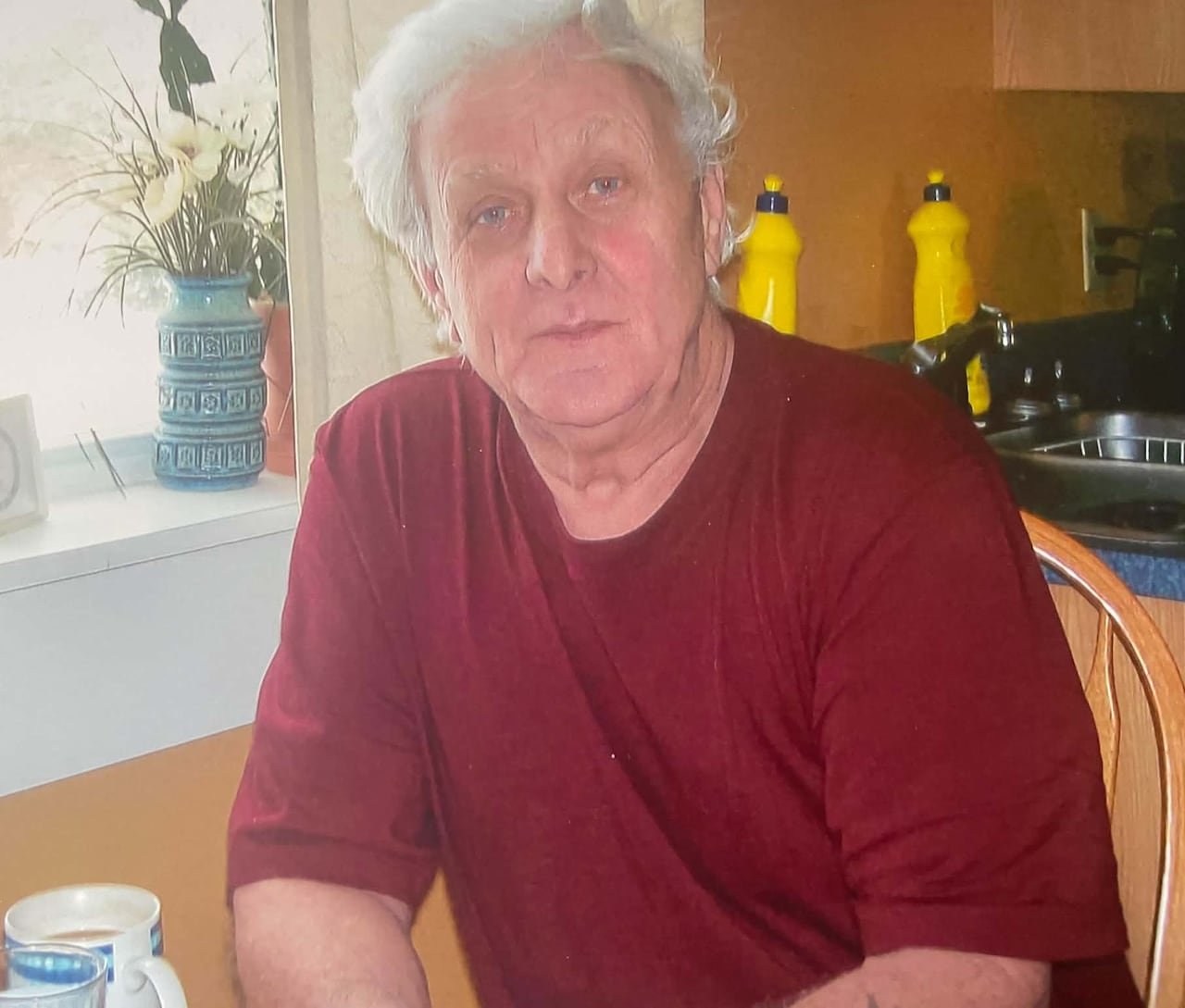
Hendrik (Hank) Sabean was 67 when he died in 2018. He had specific wishes for his funeral arrangements, which included dealing with Serenity Funeral Home for the service and burial of his ashes. (Amanda Sabean)